Wednesday, 22 July 2009

My book collection


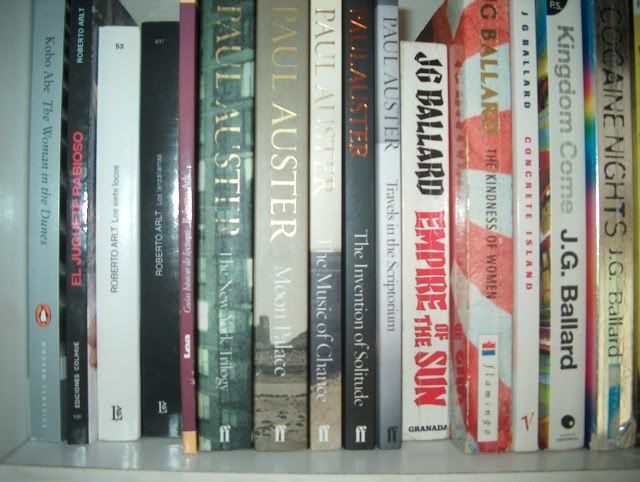
From left to right: The Woman in the Dunes by Kobo Abe; El Juguete Rabioso by Roberto Arlt; Los Siete Locos by Roberto Arlt; Los Lanzallamas by Roberto Arlt; Roberto Arlt by Pablo Montanato; The New York Trilogy by Paul Auster; Moon Palace by Paul Auster; The Music of Chance by Paul Auster; The Invention of Solitude by Paul Auster; Travels in the Scriptorium by Paul Auster; Empire of the Sun by J. G. Ballard; The Kindness of Women by J. G. Ballard; Concrete Island by J. G. Ballard; Kingdom Come by J. G. Ballard; Cocaine Nights by J. G Ballard.
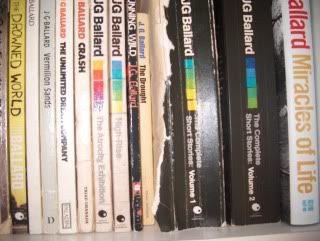
The Drowned World by J. G Ballard; War Fever by J. G. Ballard; Vermillion Sands by J. G Ballard; The Unlimited Dream Company by J. G. Ballard; Crash by J. G. Ballard; The Atrocity Exhibition by J. G. Ballard; High-Rise by J. G. Ballard; Running Wild by J. G. Ballard; The Drought by J. G. Ballard; The Complete Short Stories Volume 1 by J. G. Ballard; The Complete Short Stories Volume 2 by J. G. Ballard; Miracles of Life by J. G. Ballard.
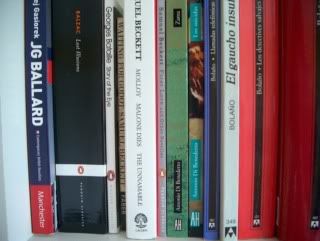

J. G Ballard by Andrzej Gasiorek; Lost Illusions by Honore De Balzac; Story of the Eye by Georges Bataille; Waiting for Godot by Samuel Beckett; Molloy/Malone Dies/The Unnamable by Samuel Beckett; First Love and Other Novellas by Samuel Beckett; Zama by Antonio Di Benedetto; Los Suicidas by Antonio Di Benedetto; Llamadas Telefónicas by Roverto Bolaño; El Gaucho Insufrible by Roberto Bolaño; Los Detectives Salvajes by Roberto Bolaño.
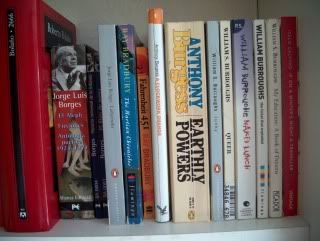
2666 by Roberto Bolaño; El Aleph by Jorge Luis Borges; Ficciones by Jorge Luis Borges; Antologia Poetica by Jorge Luis Borges; Historia Universal de la Infamia by Jorge Luis Borges; El Libro De Arena by Jorge Luis Borges; Labyrinths by Jorge Luis Borges; The Martian Chronicles by Ray Bradbury; Fahrenheit 451 by Ray Bradbury; A Clockwork Orange by Anthony Burgess; Earthly Powers by Anthony Burgess; Junky by William Burroughs; Queer by William Burroughs; Naked Lunch by William Burroughs; The Ticket That Exploded by William Burroughs; My Education: A Book of Dreams by William Burroughs; If On A Winter's Night A Traveller by Italo Calvino.
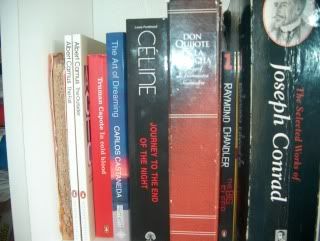
The Plague by Albert Camus; The Fall by Albert Camus; The Outsider by Albert Camus; In Cold Blood by Truman Capote; The Art of Dreaming by Carlos Castaneda; Journey to the End of the Night by Louis-Ferdinand Celine; Don Quijote De La Mancha by De Cervantes; The Big Sleep by Raymond Chandler; The Selected Works of Joseph Conrad by Joseph Conrad.
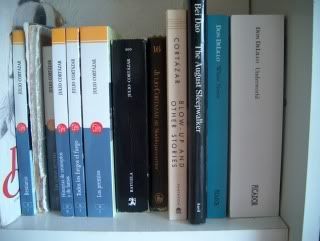
Bestiario by Julio Cortázar; Final Del Juego by Julio Cortázar; Las Armas Secretas by Julio Cortázar; Historias de Cronopios y de Famas by Julio Cortázar; Todos Los Fuegos El Fuego by Julio Cortázar; Los Premios by Julio Cortázar; Rayuela by Julio Cortázar; 62: Modelo Para Armar by Julio Cortázar; Blow-Up and Other Stories by Julio Cortázar; The August Sleepwalker by Bei Dao; White Noise by Don DeLillo; Underworld by Don Delillo.
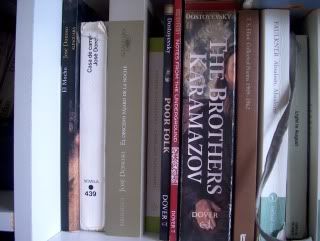

El Mocho by José Donoso; Casa de Campo by José Donoso; El Obsceno Pájaro de la Noche by José Donoso; Crime and Punishment by Fyodor Dostoyevsky; Poor Folk by Fyodor Dostoyevsky; Notes From the Underground by Fyodor Dostoyevsky; The Brothers Karamazov by Fyodor Dostoyevsky; Collected Poems by T. S. Eliot; Absalom, Absalom! by William Faulkner; Light in August by William Faulkner.
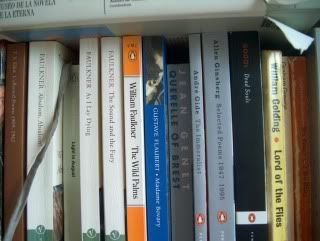

As I Lay Dying by William Faulkner; The Sound and the Fury by William Faulkner; The Wild Palms by William Faulkner; Museo de da Novela de la Eterna by Macedonio Fernandez; Madame Bovary by Gustave Flaubert; Querelle of Brest by Jean Genet; The Immoralist Andre Gide; Selected Poems by Allen Ginsberg; Dead Souls by Nikolay Gogol; Lord of the Flies by William Goldling; The Man Within by Graham Greene; The Power and the Glory by Graham Greene.
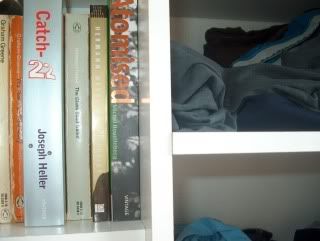

Catch-22 by Joseph Heller; The Glass Bead Game by Herman Hesse; The Prodigy by Herman Hesse; Atomised by Michell Houlebecq.
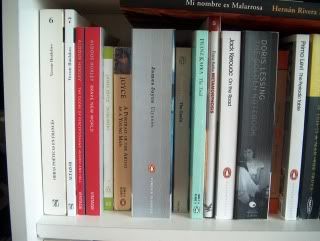
Obras Poeticas en Frances by Vicente Huidobro; Altazor by Vicente Huidobro; The Doors of Perception/Heaven and Hell by Aldous Huxley; Brave New World by Aldous Huxley; Dubliners by James Joyce; A Portrait of the Artist as a Young Man by James Joyce; Ulysses by James Joyce; The Castle by Franz Kafka; The Trial by Franz Kafka; Metamorphosis by Franz Kafka; On the Road by Jack Keroac; The Golden Notebook by Doris Lessing; The Habit of Loving by Doris Lessing; Mi Nombre es Malarrosa by Hernan Rivera Letelier.
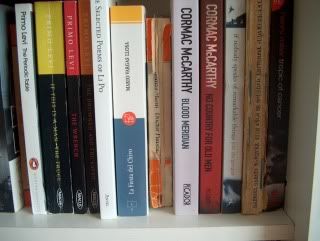

The Periodic Table by Primo Levi; If This Is A Man/The Truce by Primo Levi; The Wrench by Primo Levi; The Drowned and the Saved by Primo Levi; Selected Poems by Li Po; La Fiesta Del Chivo by Mario Vargas Llosa; Doctor Faustus by Thomas Mann; Blood Meridian by Cormac McCarthy; No Country for Old Men by Cormac McCarthy; If Nobody Speaks of Remarkable Things by Jon McGregor; Cien Años De Soledad by Gabriel Garcia Marquez; Tropic of Cancer by Henry Miller.
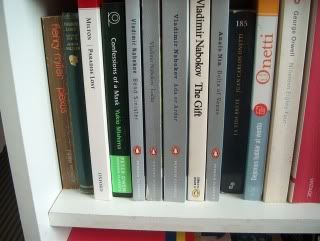

Plexus by Henry Miller; Paradise Lost by John Milton; Confessions of a Mask by Yukio Mishima; Bend Sinister by Vladimir Nabokov; Lolita by Vladimir Nabokov; Ada or Ardor by Vladimir Nabokov; The Gift by Vladimir Nabokov; Delta of Venus by Anias Nin; La Vida Breve by Juan Carlos Onetti; Dejemos Hablar Al Viento by Juan Carlos Onetti; Nineteen-Eighty-Four by George Orwell.
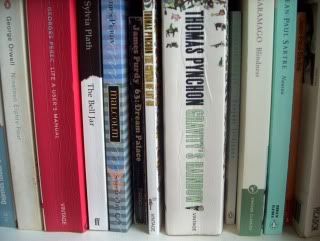

Life: A User's Manual by Georges Perec; The Bell Jar by Sylvia Plath; Malcolm by James Purdy; 63: Dream Palace by James Purdy; The Crying of Lot 49 by Thomas Pynchon; Gravity's Rainbow by Thomas Pynchon; Bonjour Tristesse by Francoise Sagan; Blindness by Jose Saramago; Nausea by Jean-Paul Sartre; Words by Jean-Paul Sartre.
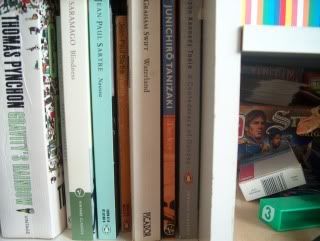

Waterland by Graham Swift; The Key by Junchiro Tanizaki; A Confedarancy of Dunces by Joseph Kennedy Toole.
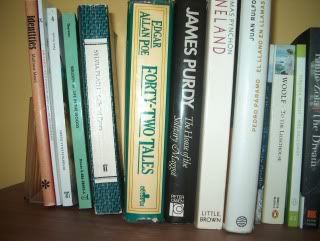

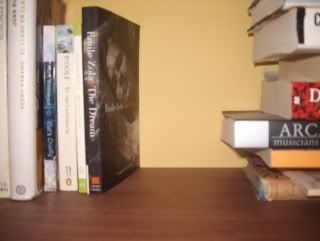
Identities by Mathew Mead; Veinte Poemas de Amor y Una Canción Desesperada by Pablo Neruda; Residencia en la Tierra by Pablo Neruda; Walden by Thoreau; Collected Poems by Sylvia Plath; Forty-Two Tales by Edgar Allan Poe; The House of the Solitary Maggot by James Purdy; Vineland by Thomas Pynchon; Pedro Páramo/El Llano en Llamas by Juan Rulfo; Cat's Cradle by Kurt Vonnegut; To the Lighthouse by Viginia Woolf; Mrs. Dalloway by Virginia Woolf; The Dream by Emile Zola.
Thursday, 2 July 2009

The remote edges #3

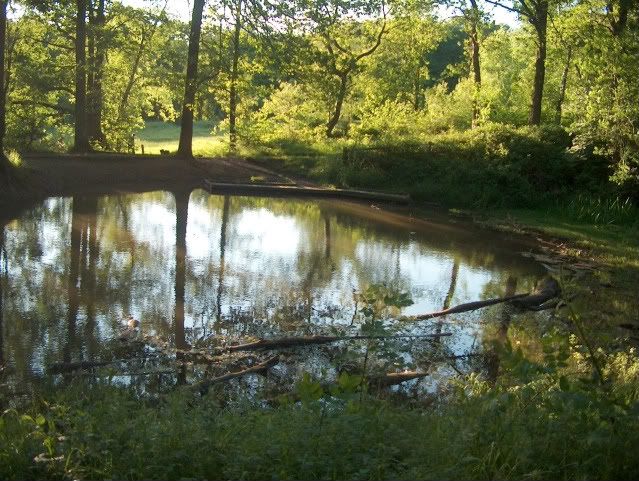
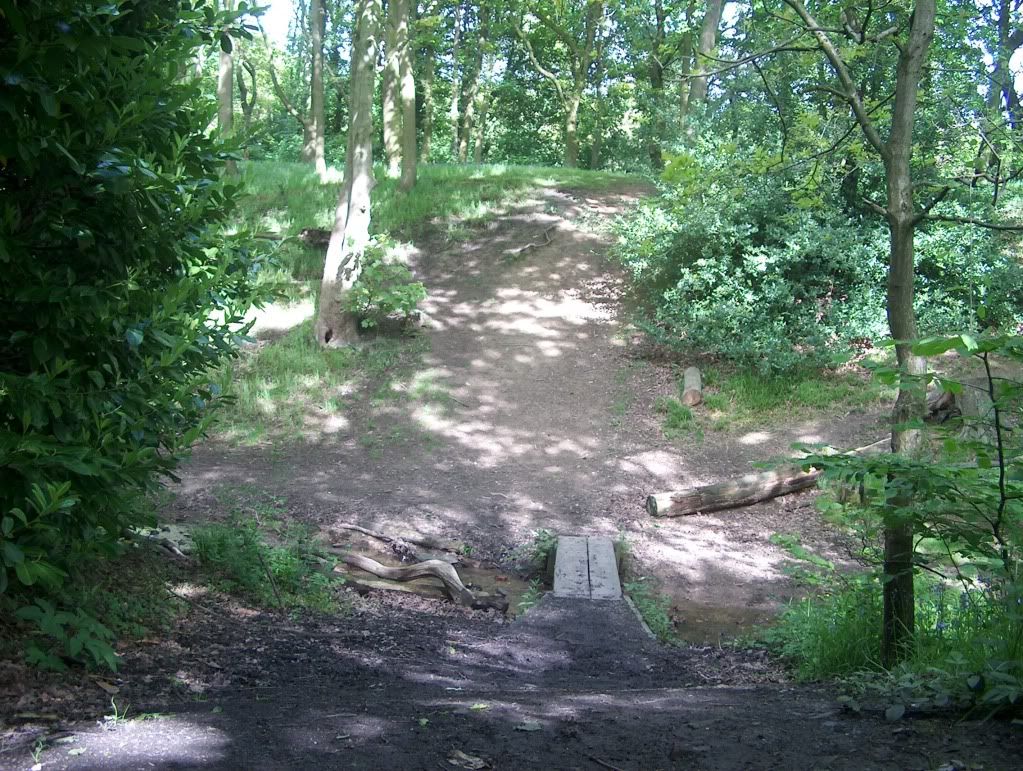
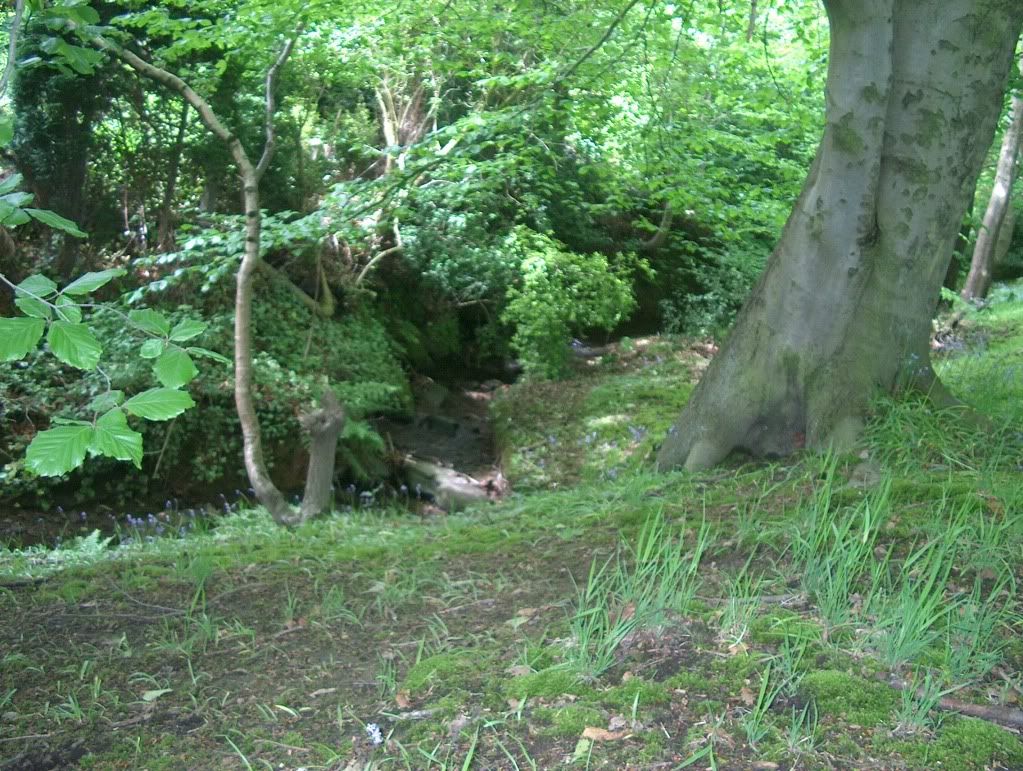
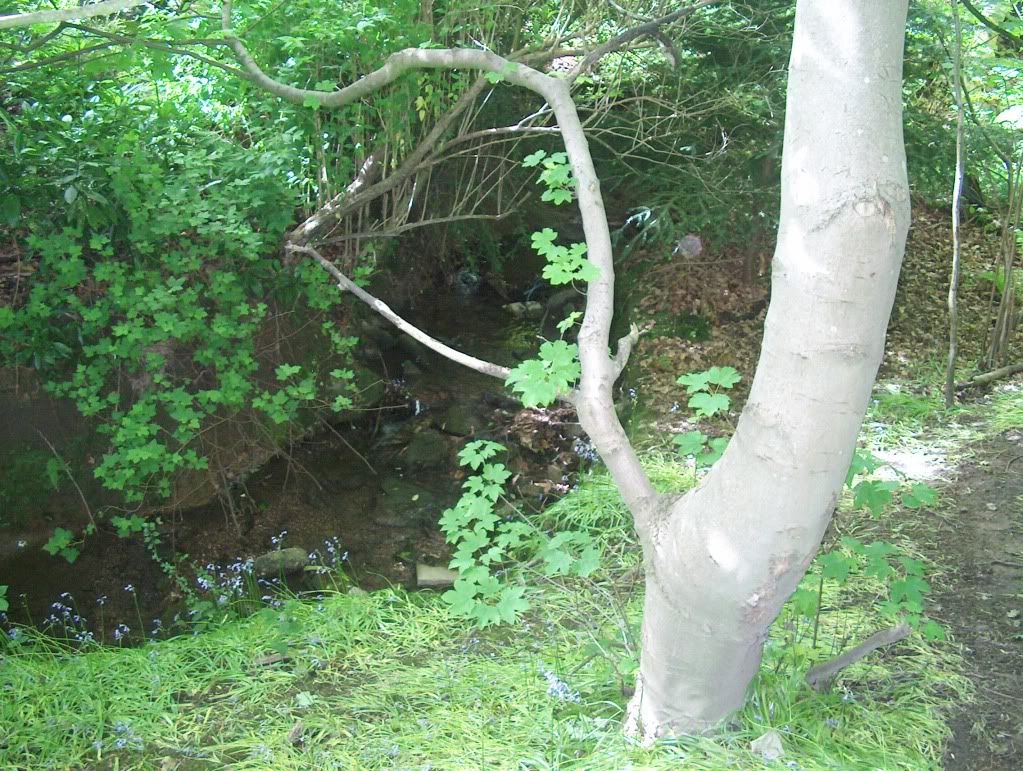
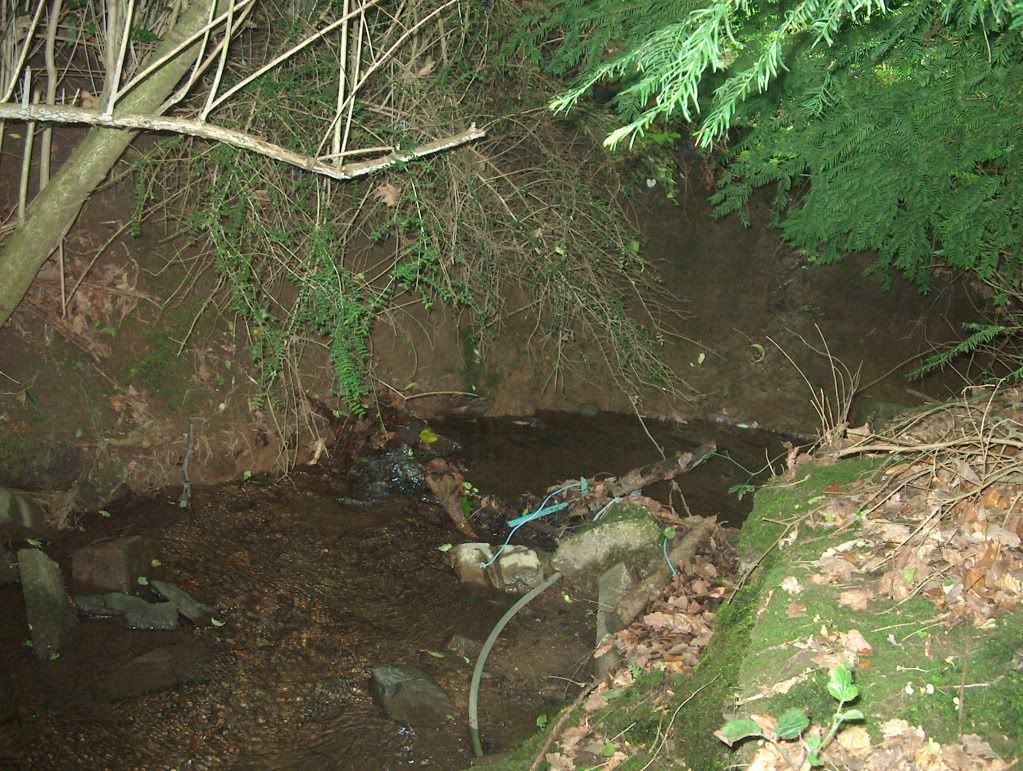
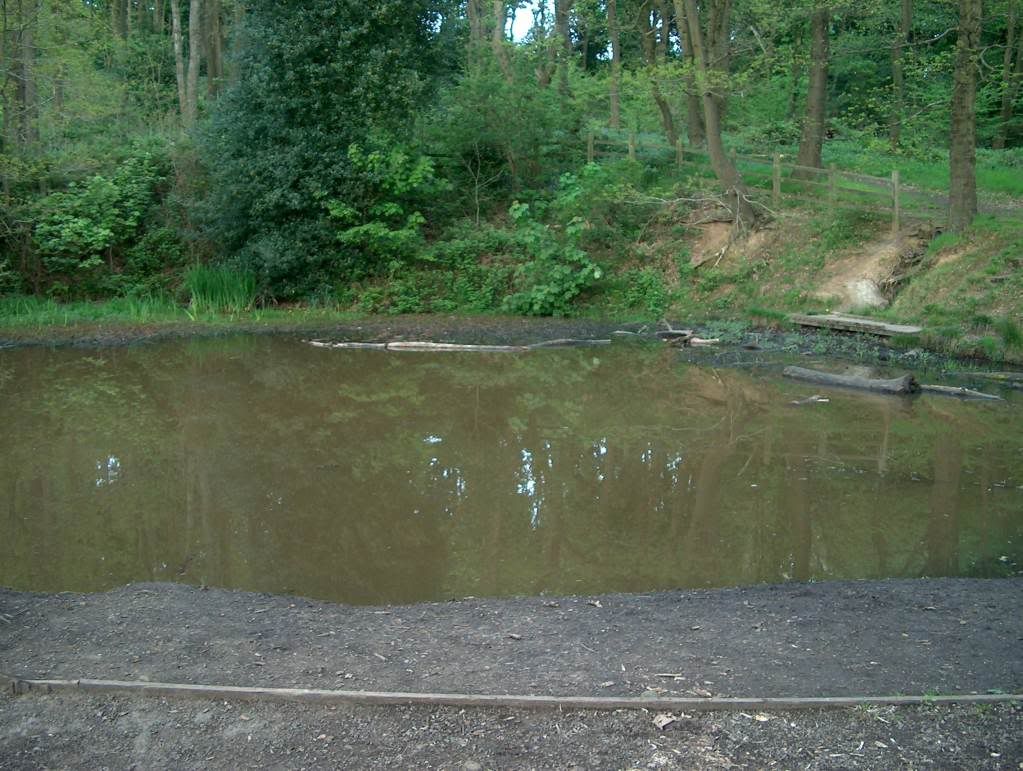
I think my previous images of this pond didn't do much justice to its beauty... So here you have it again:

It's currently my desktop background image.

Moving on.....


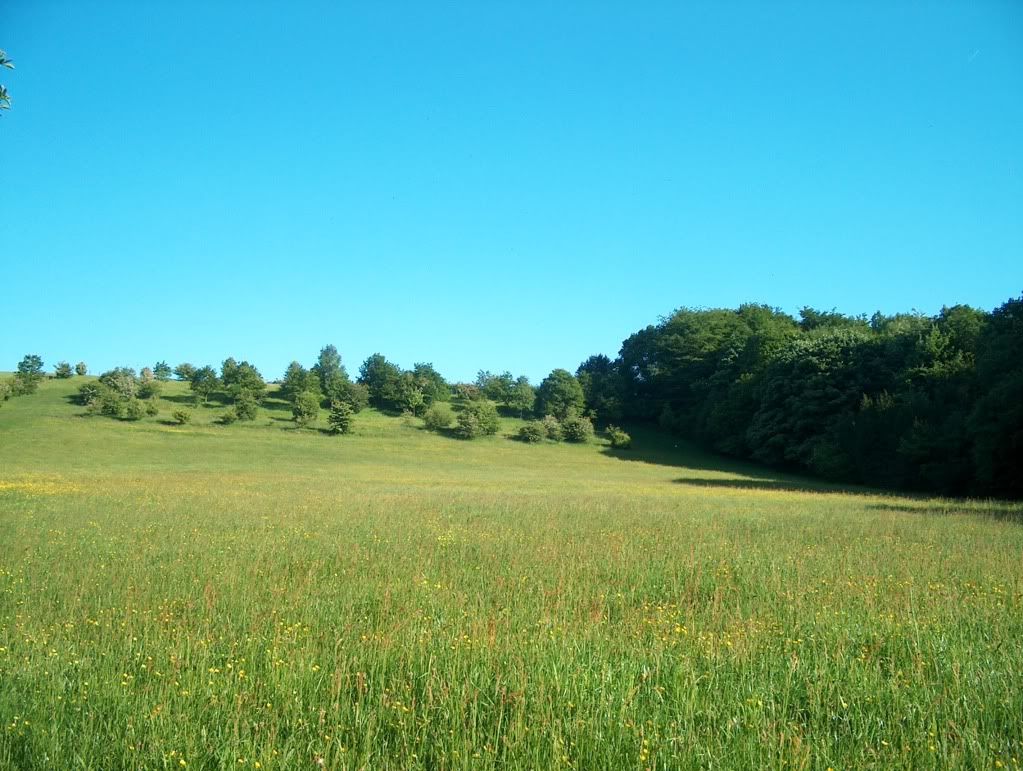
When you climb up from here, you encounter this:

This photograph is hilarious. The small cows got intimidated by me, so they all went for their mother! ^_^

Tuesday, 2 June 2009

The remote edges #2

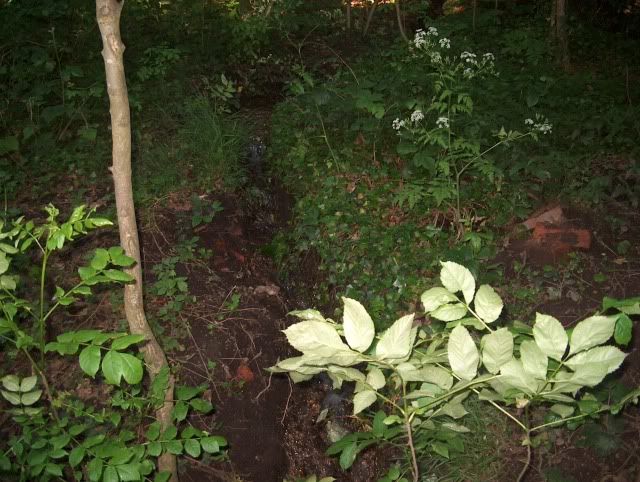
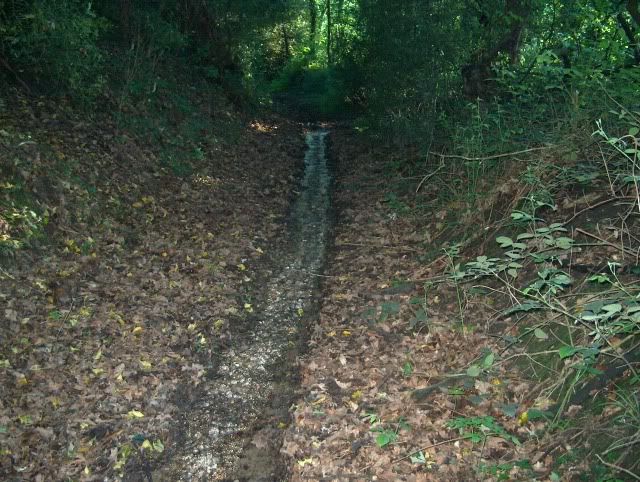
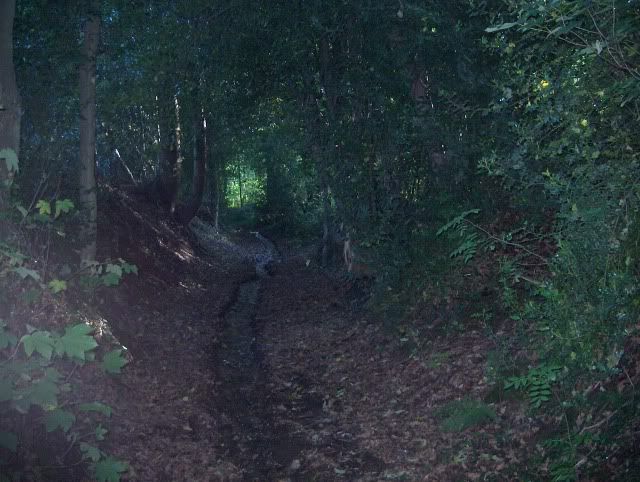
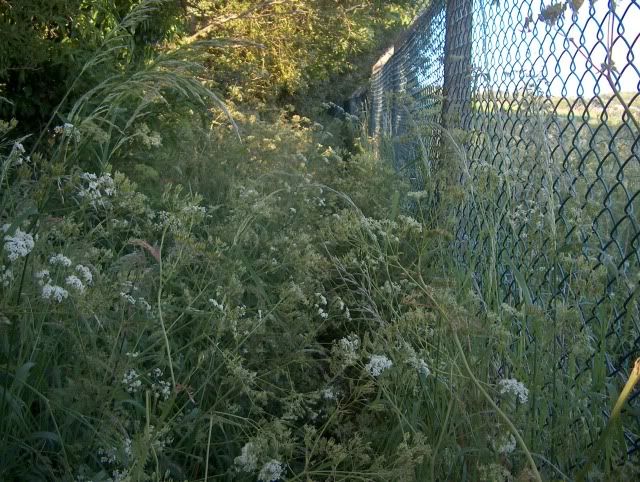
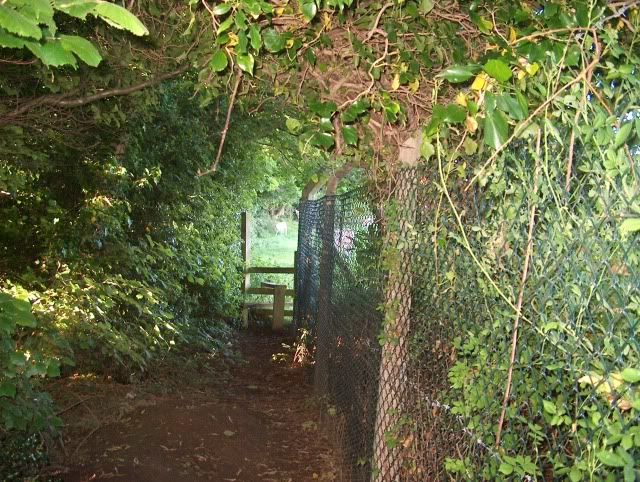
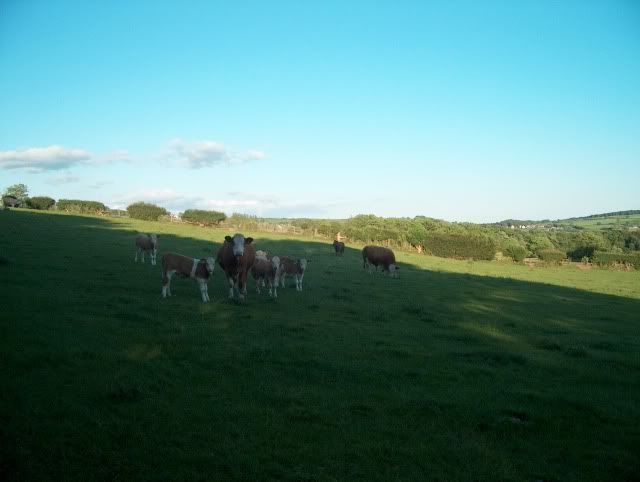
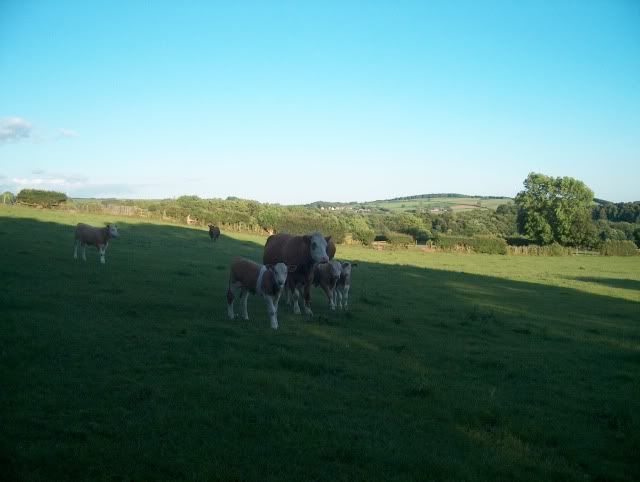
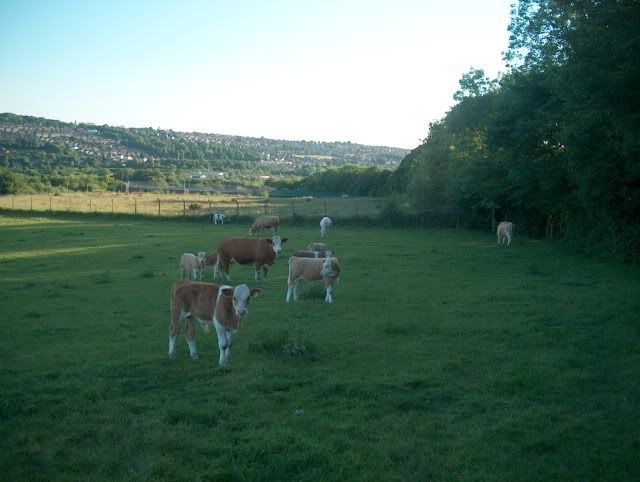
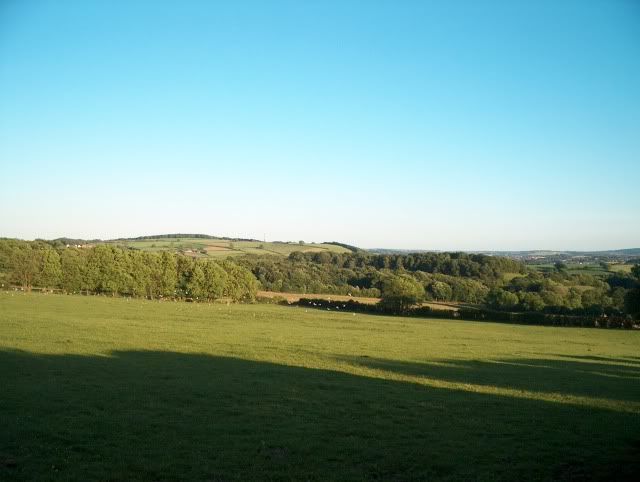
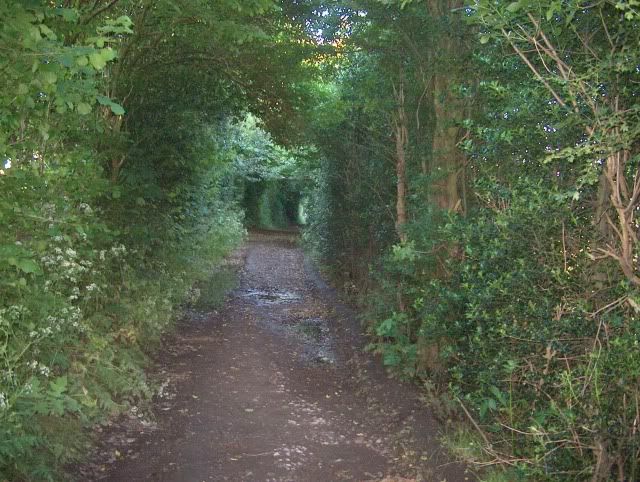
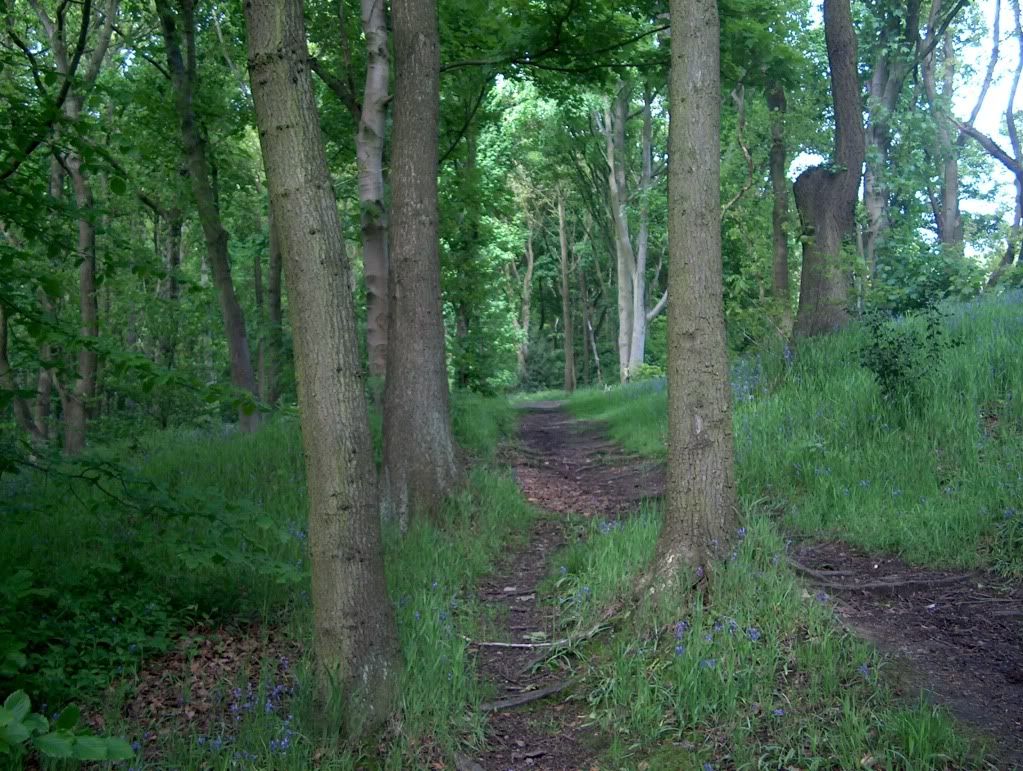
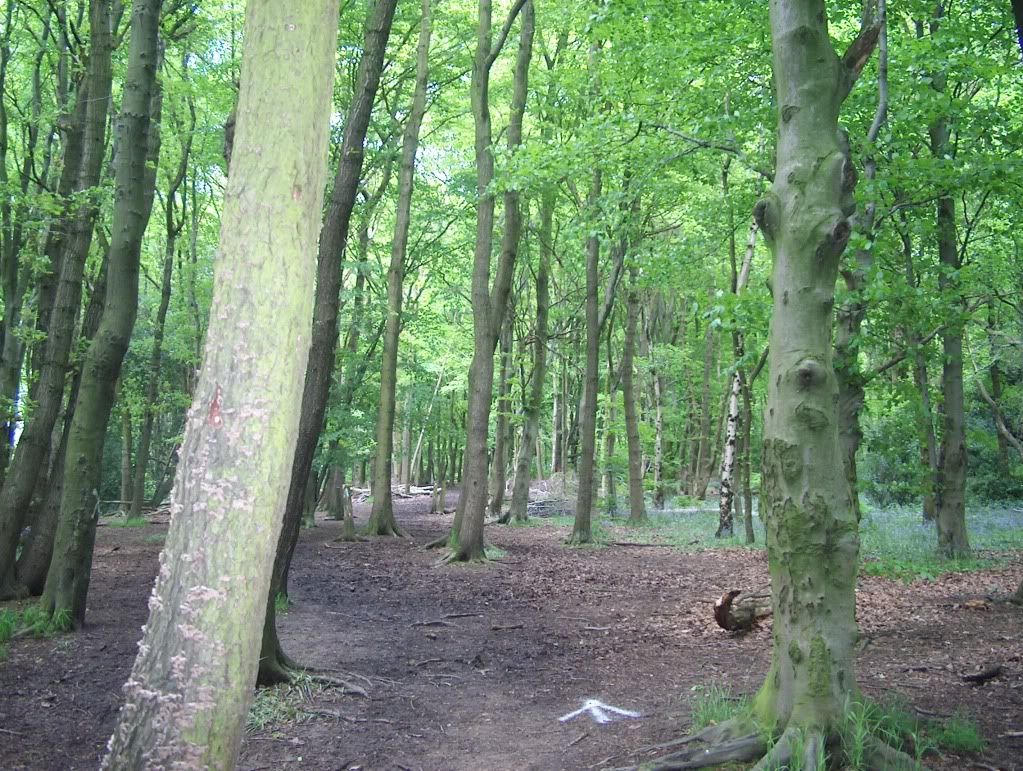
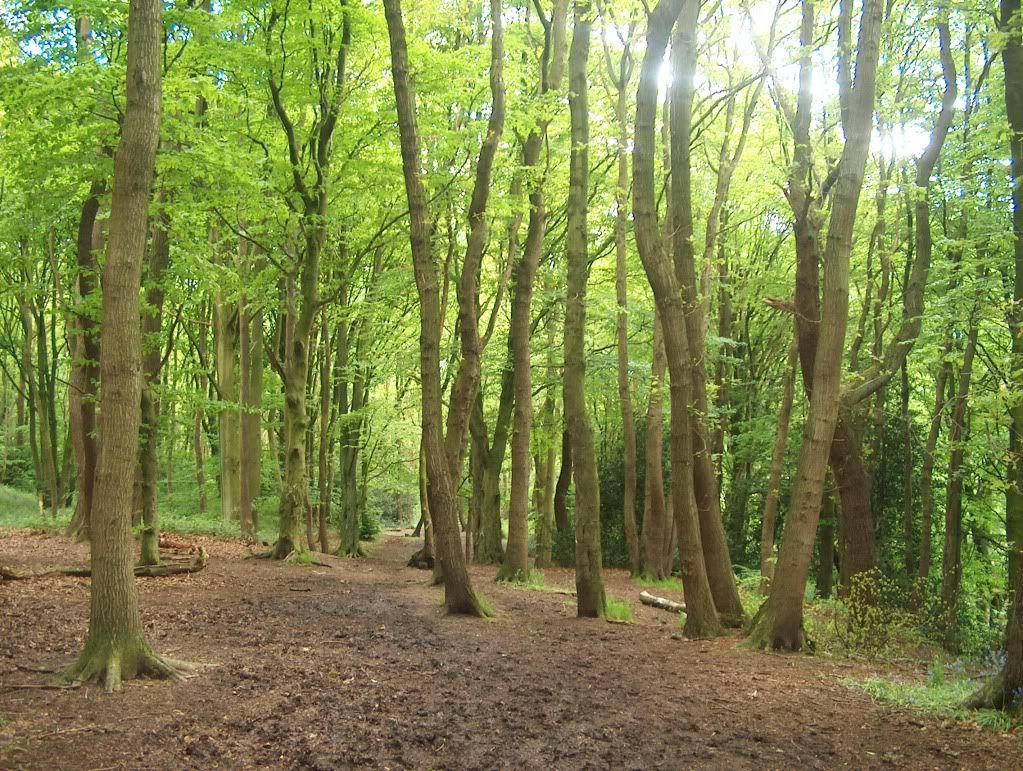
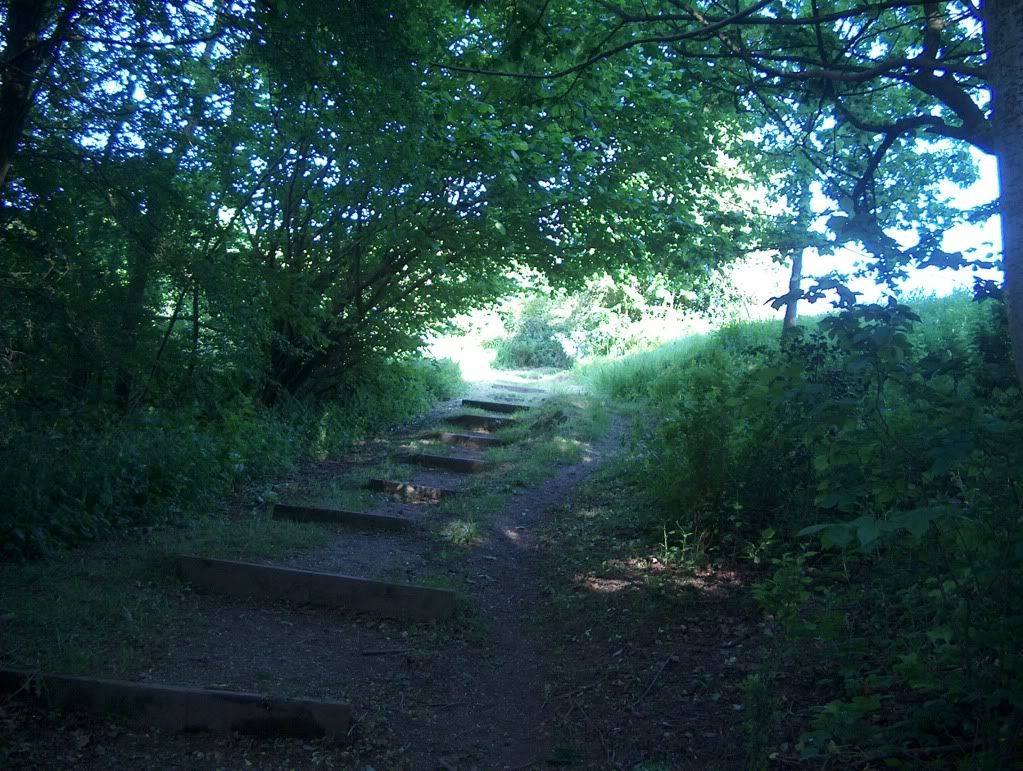
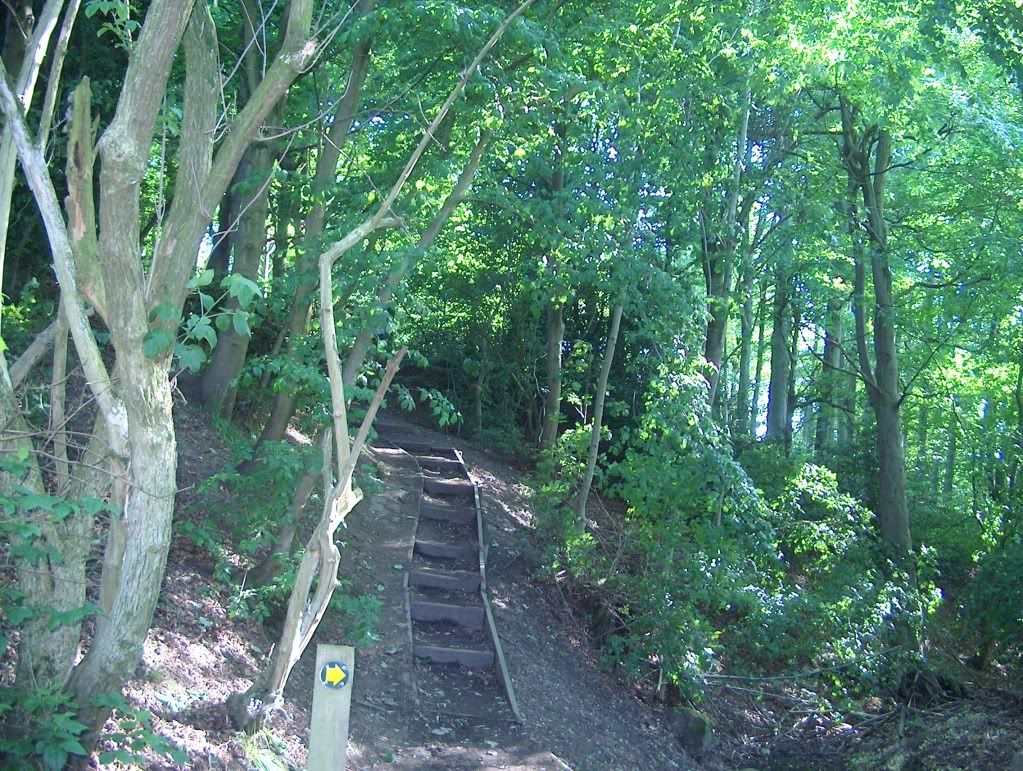
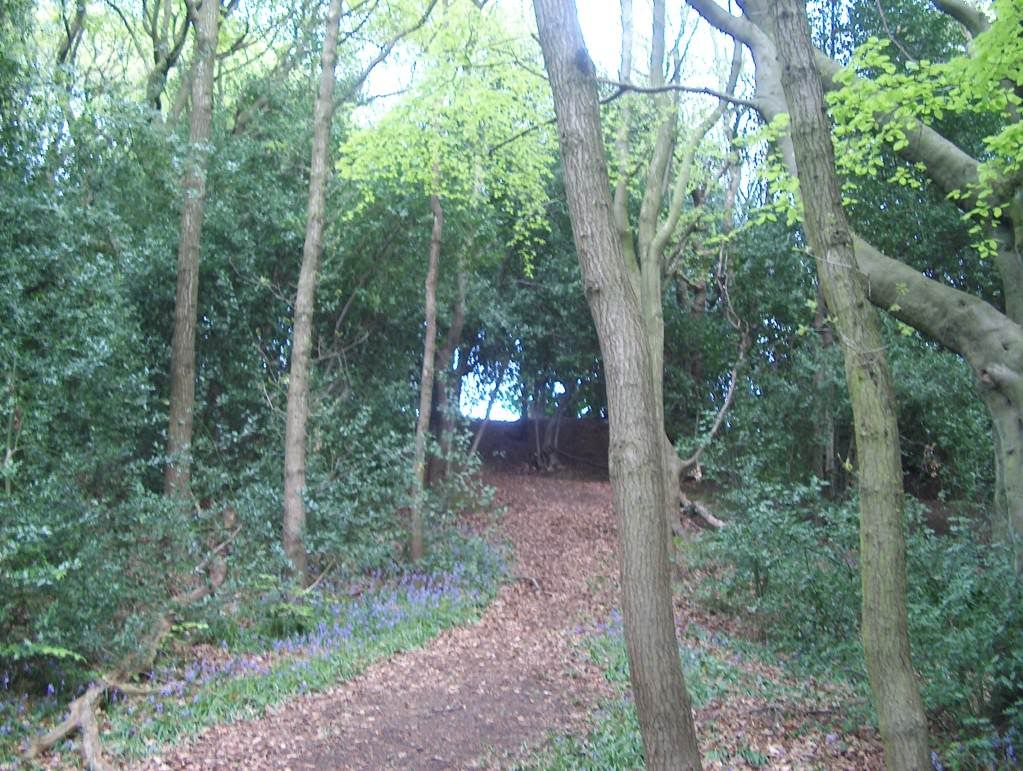
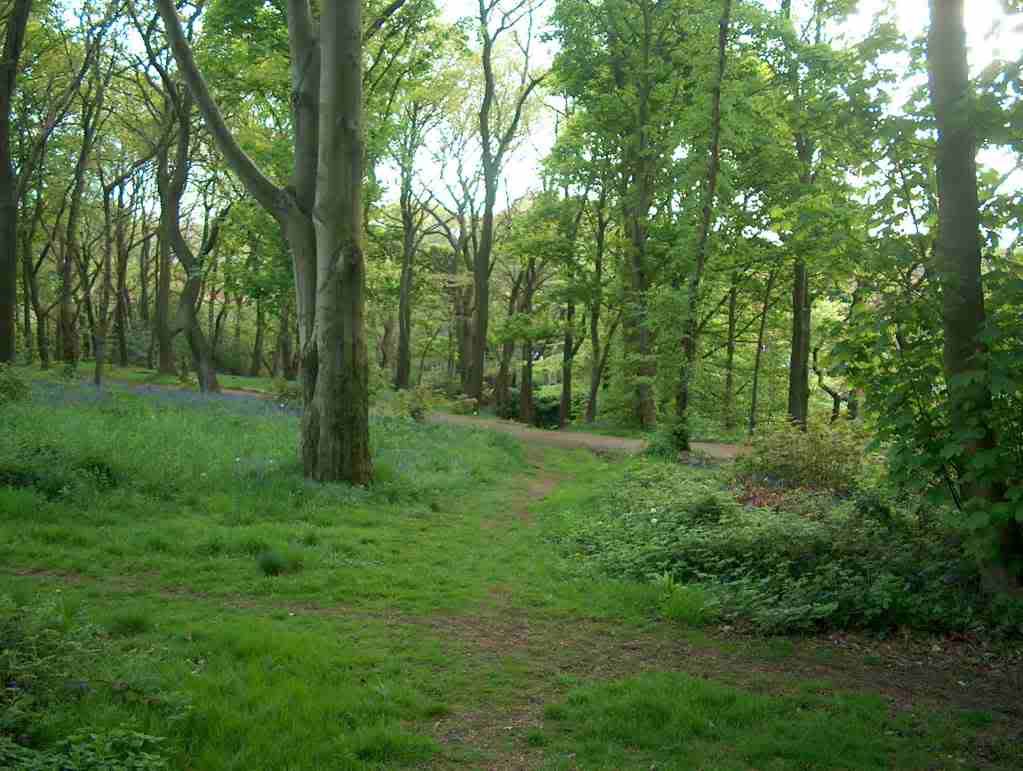
This is the other side of Firth wood that I didn't photograph in the previous selection of 'Remote Edges' photos. It isn't as beautiful as the top of Firth Wood, but it is nevertheless fascinating and wonderful to look at. I'm taking it easy with this project of photographing all the 'remote edges'; I am going to gradually take these photographs until I eventually have nothing more to take. Considering the amounts of woods, parks and countryside around this side of Dronfield, this will last for a very long time - maybe even two or three years! :)

Saturday, 2 May 2009

The remote edges #1

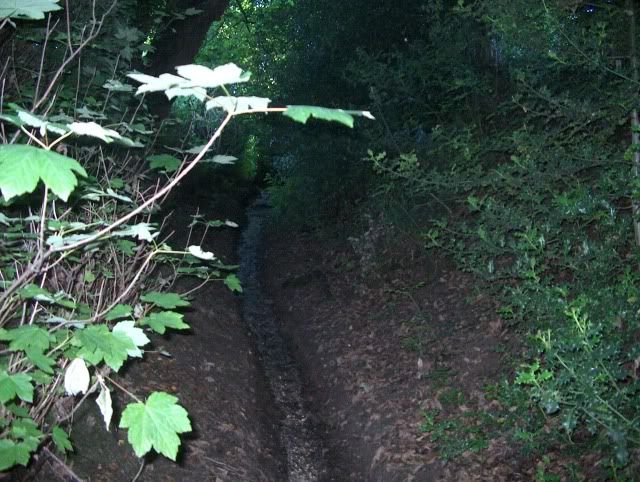
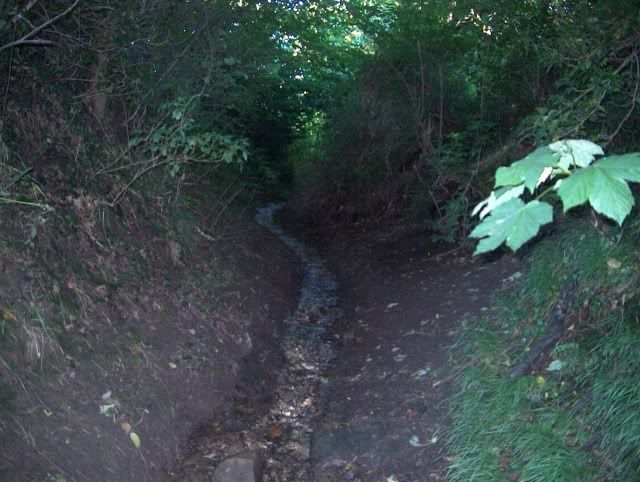
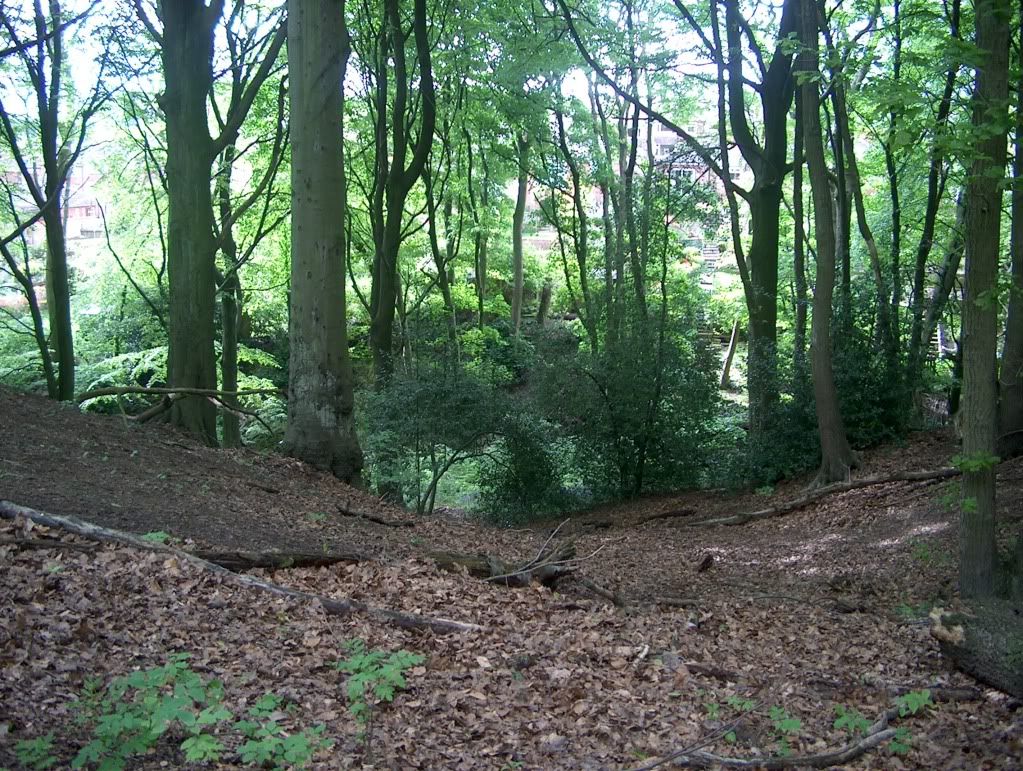
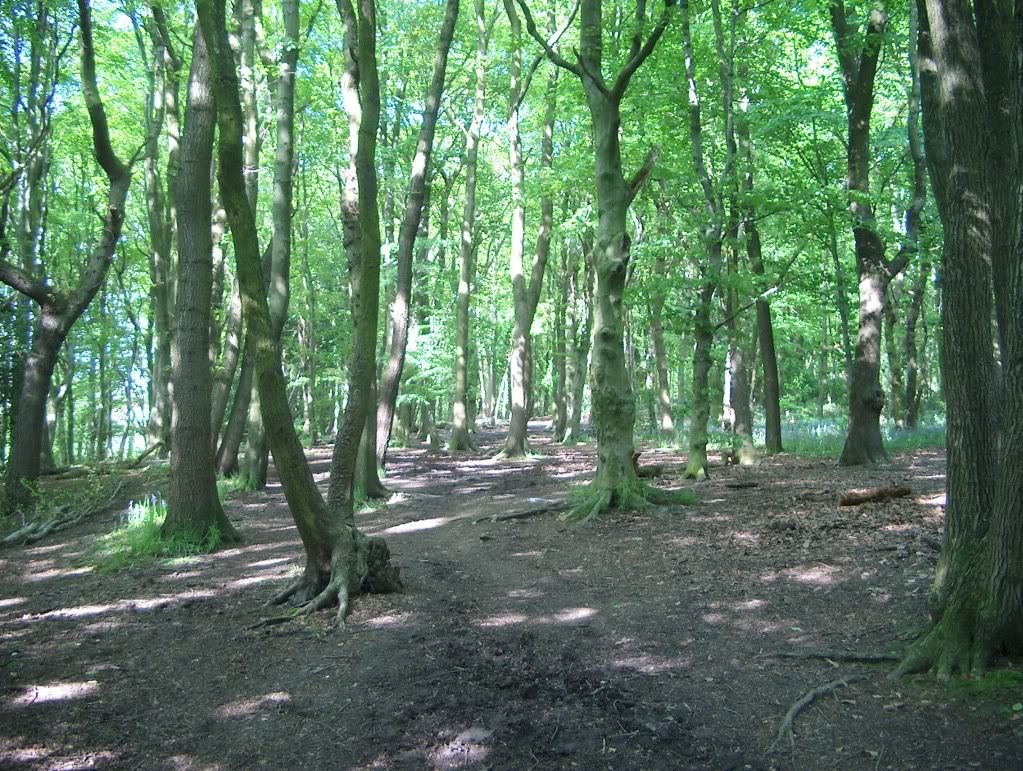
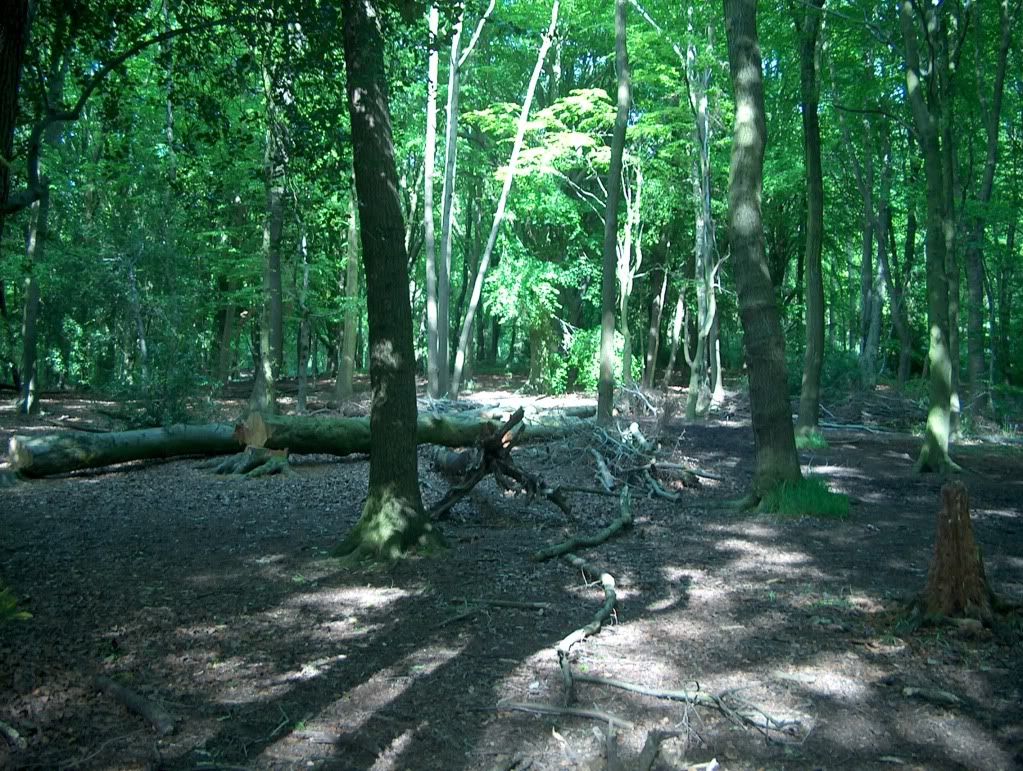
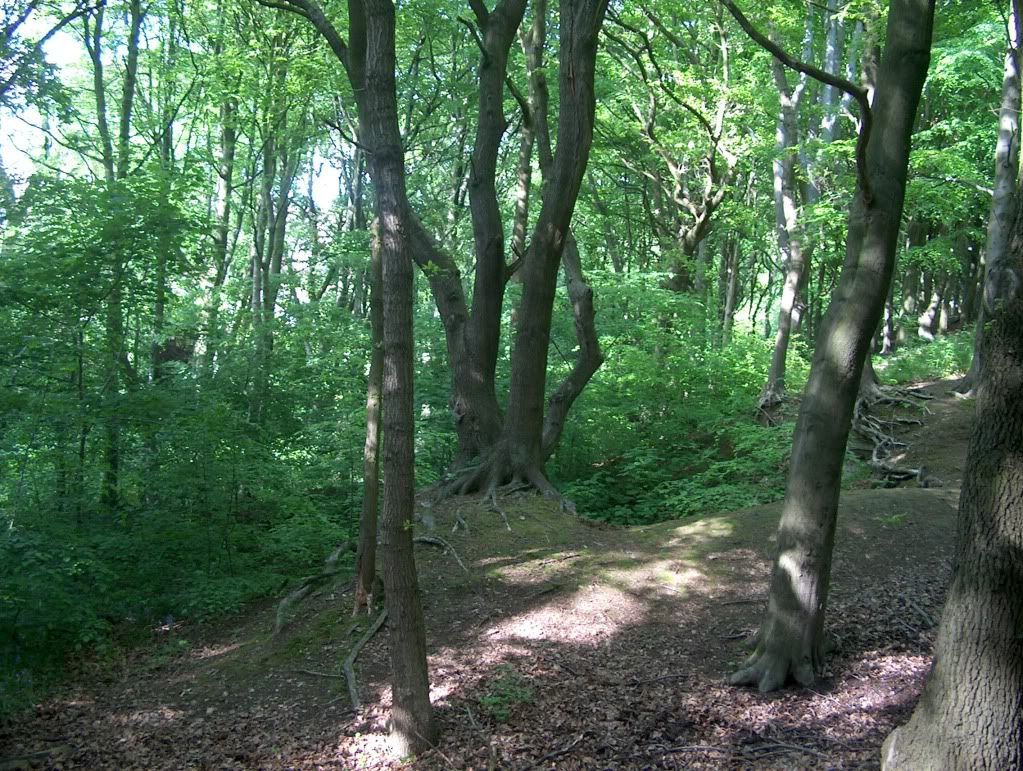
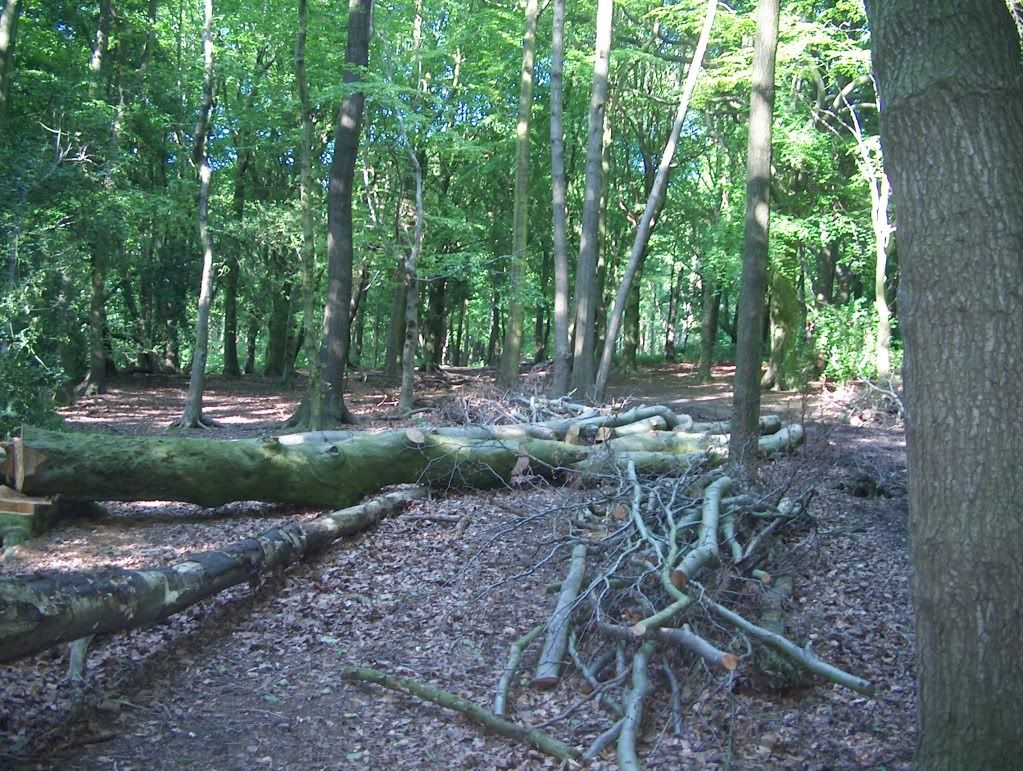
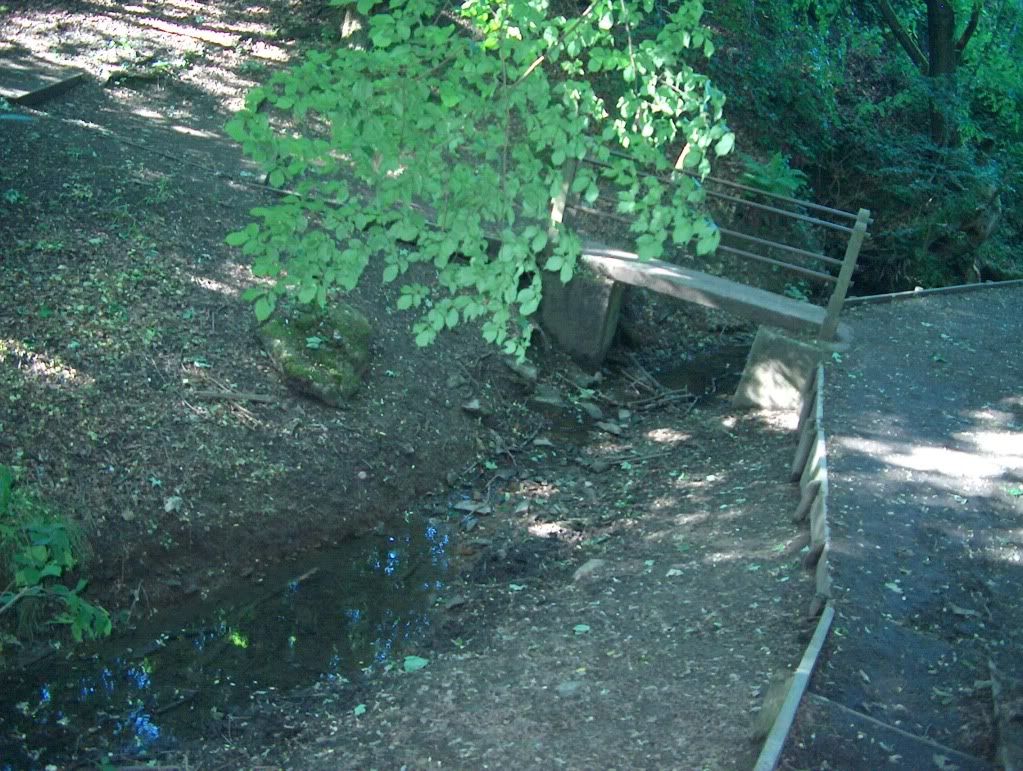
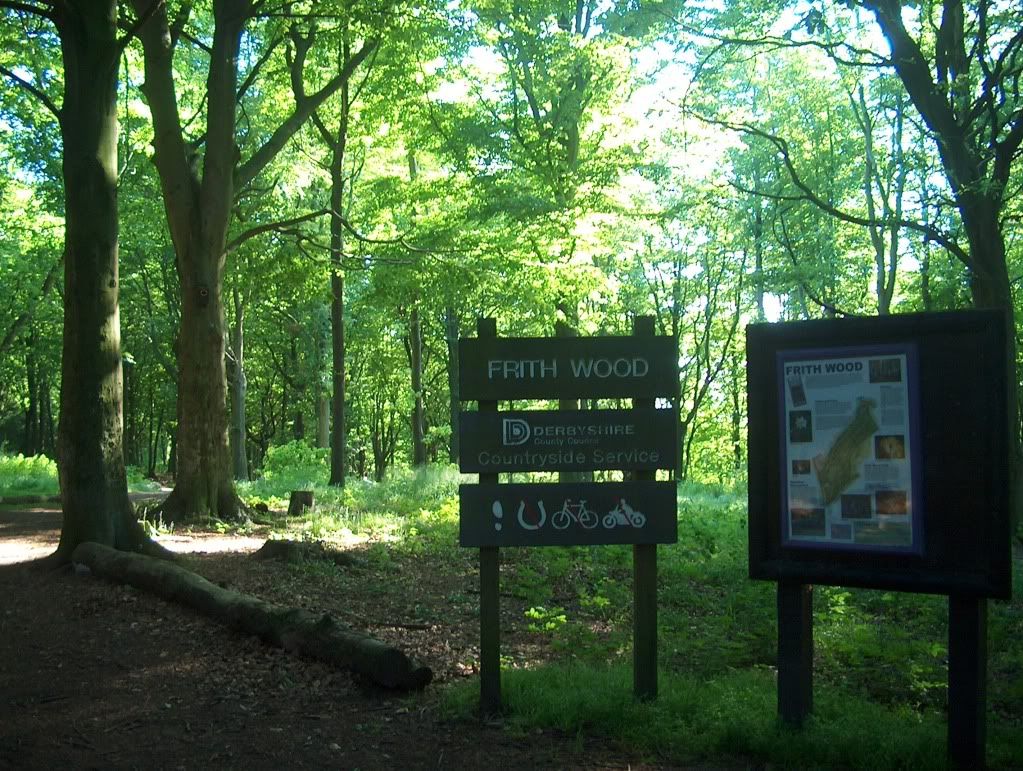
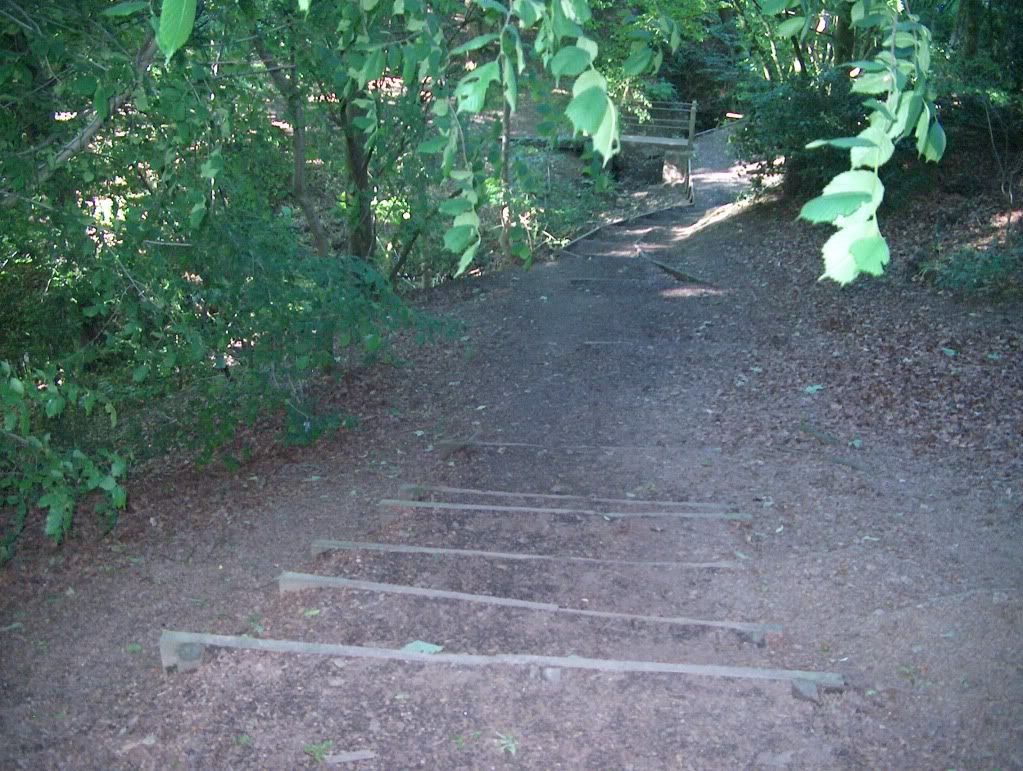
These twelve photograpgs are all from Firth Wood. It's quite a small wood, but it's got beautiful places. I am not going very deep into the 'remote edges' of Dronfield at the moment, but this is a start at least. I couldn't cover all of Firth wood due to restrictive memory card space. These are the first woods I discovered, and they have always been an escape from the mundane for me. I have come here to read, scream in frustration, seek solace from the supressive world and to walk around in tranquility. These photographs are the first in a monthly regular. Enjoy - and the really good stuff is yet to come!

Sunday, 1 March 2009

Hieronymus Bosch

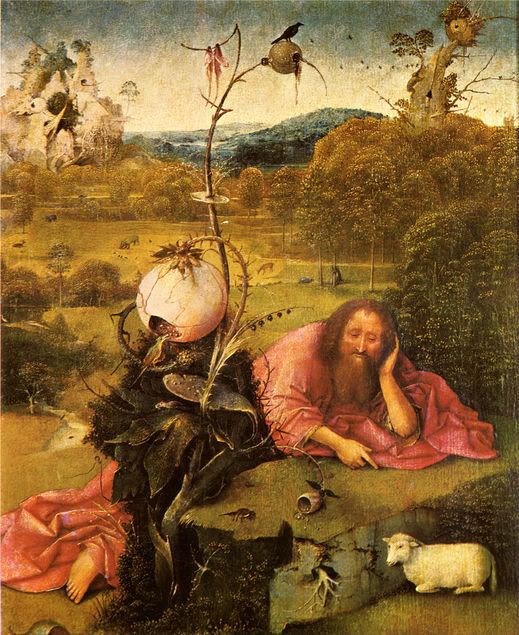
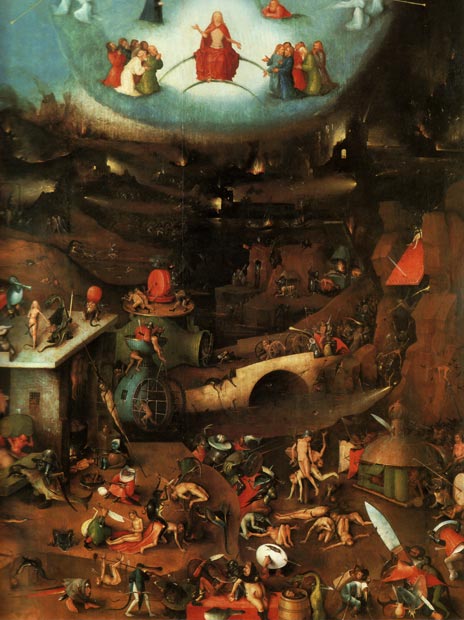
If there was one person who could be applied with the term 'ahead of his time', it would be renaissance painter Hieronymous Bosch. Well back into the 15th century he was conjuring up the obtuse surruealist visions which were to be developed by Dali and Ernst more than 400 years later. He was the precursor to surruealism.

I'm not that much of an art buff (when it comes to painting, drawing etc. etc.), but I find Bosch's work extremely captivating. Not only is its historical context fascinating and downright perplexing, but the paintings are in themselves gobsmacking works of art and (observed from a distance, at least) surpass the efforts which were to be pursued by the surrualists in a more advanced age where our values and morals have been completely redefined and re-evaluated themselves. If we look at the work itself, Bosch is far more groundbreaking and inventive than the rest of these surrealists.

I discovered his work as it appears on the cover of numerous editions of books by Jorge Luis Borges.

-----------------------

In May I shall be begin two posts which will become monthly regulars. One of them shall be called 'My state of mind' where I outline the state of mind I find myself over the course of a month and where I talk about my mood and events occuring in my life. I think that this will be a vital outlet as I no longer keep a diary. The other monthly regular shall be called 'The Remote Edges' where I shall post photographs of my weekly walks to the woods, parks and countrysides surrounding Dronfield. Keep your eyes peeled for both of these!

I have finally - after a wait of about a year - got back to writing fiction again. I have planned out four short stories, one of which has been finished and an another has been started. The one I finished is an attempt to create something even more perverted and sick and twisted than the 'David Crapper play'. It's called 'Penis Woman', and with this miniature I have gone beyond the bounds of depravity! Even the most tolerant, strongest characters will find themselves squeamish, faint-hearted and wanting to avert their eyes!

My laptop has finally been fixed, so I can get back to listening to my music and watching porn... :)

Friday, 14 November 2008

My favourite authors and why I like them so much

Here I have written little explanations for why these are my favourite authors.

J. G. Ballard
- He dissects our culture with a perfect scientist's-eye precision. He ilogically uses logic to make 2 + 2 make 5 in an incredibly perverse, deviant manner. He constantly builds an equilibrium between waking life and dreams, and, as a consequence of this, unveils the hidden mechanisms of the human mind.

William Faulkner - He vigorously attacks subject matter from all angles at once. His novels are an intricate maze where time is fractured, making the second and third and fourth reading vital in order to shed light on what preceded the final chapters. He employs a masterful use of the stream of consciousness technique in order to understand the human condition which is in a state of deterioration in the south of the USA.

Paul Auster
- A storyteller of supreme originality and unprecedented power. His most predominant theme is that of arbitrary and co-incidental events. All his characters are seekers who are looking for some sort of truth who are caught up amidst these 'arbitrary' events. Auster fuses these metaphysical and existential issues with the metric pace of crime thrillers to put this across. As a critic somewhere said, he is 'an experimental writer who is also compulsively readable.'

Jorge Luis Borges
- His work is endlessly re-readable: his short-stories can be read again and again with the exact same feeling of sheer amazement. He renovated language, and introduced a way of thinking that had never been conjured up before. He read everything, so he consequently took all his literary knowledge for an intellectual game-play that modified the past. His main themes are labyrinths and infinity, and he interjects his themes into a number of settings: fictional essays, realism, fantasy, parables, poems,etc.

Juan Rulfo
- He makes you feel the poverty and wretched hopelessness of rural Mexico in the first half of 20th century. He gets this done extremely well with either an incredibly simplistic approach or an incredibly complex approach. He employs a linear narrative in the short story collection The Burning Plain but, like Faulkner, in Pedro Páramo he makes time fractured as all the action is set in a ghost town, which ultimately means that there is no discernible beginning or end because the characters are dead and no longer have a sense of time. I urge you to read him if you enjoyed Marquez's One Hundred Years of Solitude.

Julio Cortázar
- He replicates the games we all played in childhood with a forthright use of humour. He consequently implements themes taken from childhood into the kind of intellectual game-play set out by Borges, but shrouds it with a deceptively 'realist' setting. These fantastic elements are concealed enigmatically until they finally erupt out of its self-imposed constraints, and have a characteristic which is rare in the short story form (the form which he mastered the most): they seem to question the reader, and seek to involve him/her in the narrative.

Fyodor Dostoyevsky
- His novels are absolutely engrossing right from the very beginning to the very end. He was the precursor to 20th century literature; he was the person who established all the themes that were to be developed by the leading existential thinkers; he was ahead of his time. All the novels I've read by him have imprinted an awe in me, and this sensation of amazement has lingered unsettlingly in the back of my mind.

Thomas Pynchon
- He attempts to cramp the most disparate of elements into a very large container. He's a post-modernist James Joyce who apologetically and violently and abrasively experiments with form. He branches out to many non-literary themes - physics, mathematics, pornography - to achieve an encyclopedic scope and range. His novels are allegedly 'overwritten', but this ambition results in an incredibly rewarding read which is unprecedented by any writer having preceded him

Juan Carlos Onetti
- Passionately unpassionate. I can completely relate with his laziness and his indifference to the rest of the world. I can also relate with his way of looking at 'the other side of things'. He created an imaginary realm called 'Santa Maria' where he intermingled fantasy and reality thus creating 'magic realism'. All his protagonists are anti-heroes, and they are lazy and hopeless cases: people like me.

Monday, 1 September 2008

Julio Cortázar and the terrorist novel

I didn't invent the term 'terrorist novel'. I heard it used by J. G. Ballard in this excellent documentary which can be watched here.


While I'd say that Julio Cortazár's best writing can be found in his perfect short stories, he proved himself to be among the most original and ground-breaking novelists emerging from the latin-american literary boom of the '60s and '70s. He wrote 4 novels where he vigorously experimented and kept re-inventing his style. Each of his novels created furores amongst the latin-american literary establishment; each of his novels were terrorist bombs designed to re-define and broaden the horizons and possibilities of this literary medium.

Hopscotch (known in spanish as Rayuela) transgresses the literary conventions of the novel by giving the reader an option. This means that the reader's contribution is not passive as he/she is taking decisions on the direction the book takes in the same way that the writer took decisions when he wrote it. The open-ended structure leads to either a linear or non-linear reading of the book. You can either hopscotch your way through it or you can read it from beginning to end. One of the controversies Cortázar created with this book was how he infuriated feminists by calling the passive reader el lector hembra (the effeminate reader). Ultimately, this book was a terrorist novel in the way it questioned the role of the reader and its attempt to cramp as much as it possibly could into the smallest container.

62: A Model Kit disappointed many readers as it did not turn out to be a second part of Rayuela, but instead proposed an entirely new way of approaching the novel as a genre. This time Cortázar gives absolutely no instructions of how to approach the book: everything is up to the reader. The book this time follows another group of intellectuals in various european cities but, unlike Rayuela, is pessimistic in its tone as there's not the faintest trace of hope on 'the other side of the wall'. Its abrasive experimentalism turned out to be a huge failure in terms of sales, and its critics and its audience were completely perplexed by it.

Cortázar's final novel, El Libro De Manuel (which I've yet to read), caused a giant furore by upsetting both the left-wing and right-wing communities of latin-america. It was Cortázar's first political work, and it's also where he first made explicit his recent relationship with socialism and communism. The right-wingers were upset as it didn't correspond with their ideological views and opinions. Meanwhile the left-wingers found it morally wrong to write a book about the political prisoners of Argentina.

If you've yet to read this excellent writer who is not very well-known in either Europe or the USA, I suggest that you purchase the wonderful short-story collection Blow-up. They are so good, in my opinion, that they are to be put beside Poe and Borges.